
Kanawha Owner of Record Card
The IAS assessment card shows the owner name currently carried on the tax roll. Read its fields together. A name alone can be ambiguous. The parcel ID, physical address and legal description pin down which property the roll actually means.
| Owner / Property Owner | The name carried in the assessor record |
|---|---|
| Mailing Address | Where tax notices are sent |
| Physical or Situs Address | The location of the parcel or building |
| Full Parcel ID | The current assessment key for the tax unit |
| Legal Description | The land description, such as lot/block or tract text |
| Deed Book and Page | A cross-reference to a recorded instrument |
| Tax Class and Use | Assessment classification carried with the parcel |
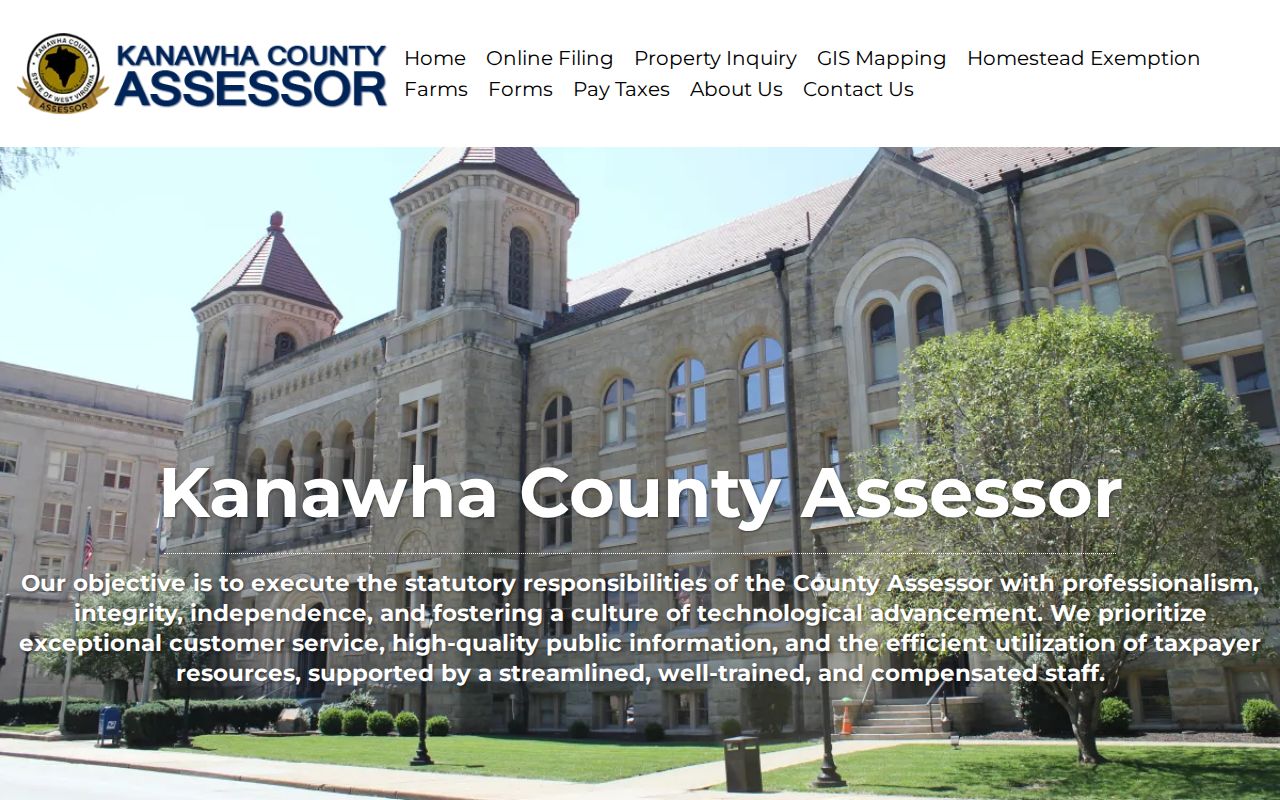
The Kanawha Assessor Property Inquiry handles owner, address and parcel searches, linking to the state IAS system and map-card tools. The entry page posts no refresh date. A newly recorded deed does not guarantee an updated card.
Note the result date when you save a card. The field shows what the roll held at that moment; it cannot rule out a later recorded transfer.
Owner, Mailing and Situs Fields
Owner and mailing address play different roles. The owner field names the record. The mailing address routes the tax bill. Situs marks the land itself. An owner may live elsewhere, an entity may list an office, and a tax notice may reach a fiduciary or lender.
Match all three fields to the parcel ID and legal description, since a postal city or ZIP proves nothing about municipal boundaries. One parcel can carry several E-911 addresses. An address search may return a neighboring lot. If the physical address looks incomplete, try a street-name search and check the map panel.
- Current owner
- The name a source identifies as the holder now, subject to that source's date and limits.
- Assessment roll
- The Assessor's tax record for parcels, owners and values.
- Situs
- The physical place where the property sits.
- Mailing address
- The address used to send a tax notice.
How Current Is the Kanawha Roll
West Virginia Code §11-4-8 builds a rhythm into the rolls. The County Clerk must send the Assessor a certified monthly list of land-title transfers by the tenth of each month. That deadline governs the paperwork, not the screen. The county publishes no guaranteed IAS refresh interval. So a card can sit unchanged for a stretch. The lag is timing, not error.
A recent closing may show up in the Clerk's deed records first. The owner field on the assessment card follows later. For transfer evidence, the latest recorded instrument wins. Keep the instrument date and the assessor lookup date side by side. Seeing both dates makes the gap explainable as timing rather than something silently merged.
A card that never changes deserves a call. Contact the Assessor with the parcel ID and deed book/page. Ask whether the monthly transfer list has been processed and which tax year the screen reflects.
Confirm a Current Kanawha Owner
The recorded deed settles a current-owner question. An assessment card is only the roll. It does not trace the chain of title. The County Clerk land-record page lists deeds and related instruments, though the public landing page does not expose the live search form or its full year coverage. The record room can explain the available search route and copy options.
- Find the parcel on IAS and copy its owner, ID, legal description and deed reference.
- Search the Clerk index by grantee, grantor or available book/page details.
- Read the newest deed and confirm that its land description matches the assessor parcel.
- Check any later release, trustee report, court order or estate instrument that affects the record.
- Return to IAS to compare the recorded party with the current roll entry.
A deed proves only its stated conveyance. A full title conclusion can demand a wider search. The Kanawha County Clerk land index lists deeds, deeds of trust, releases, liens, plats and trustee reports.
Names and Entities on the Roll
The owner field can hold a person, an LLC, a corporation, a trust, an estate or a fiduciary. Entities deserve an exact-name lookup. The West Virginia Business Entity Search shows type, city, status and registered-agent detail. A registered agent is a contact point, not an owner.
Estates work differently. When a card names a deceased owner, the backing record may be a will, a fiduciary or executor deed, an heirship affidavit or a probate order. Wills and court files live with the Kanawha Circuit Clerk. The County Clerk records the land instruments. A death certificate follows its own access rules and is no substitute for a deed.
Tie every name to the parcel. Use the legal description and deed reference. Similar names can belong to entirely different properties.
What the Current Card Adds
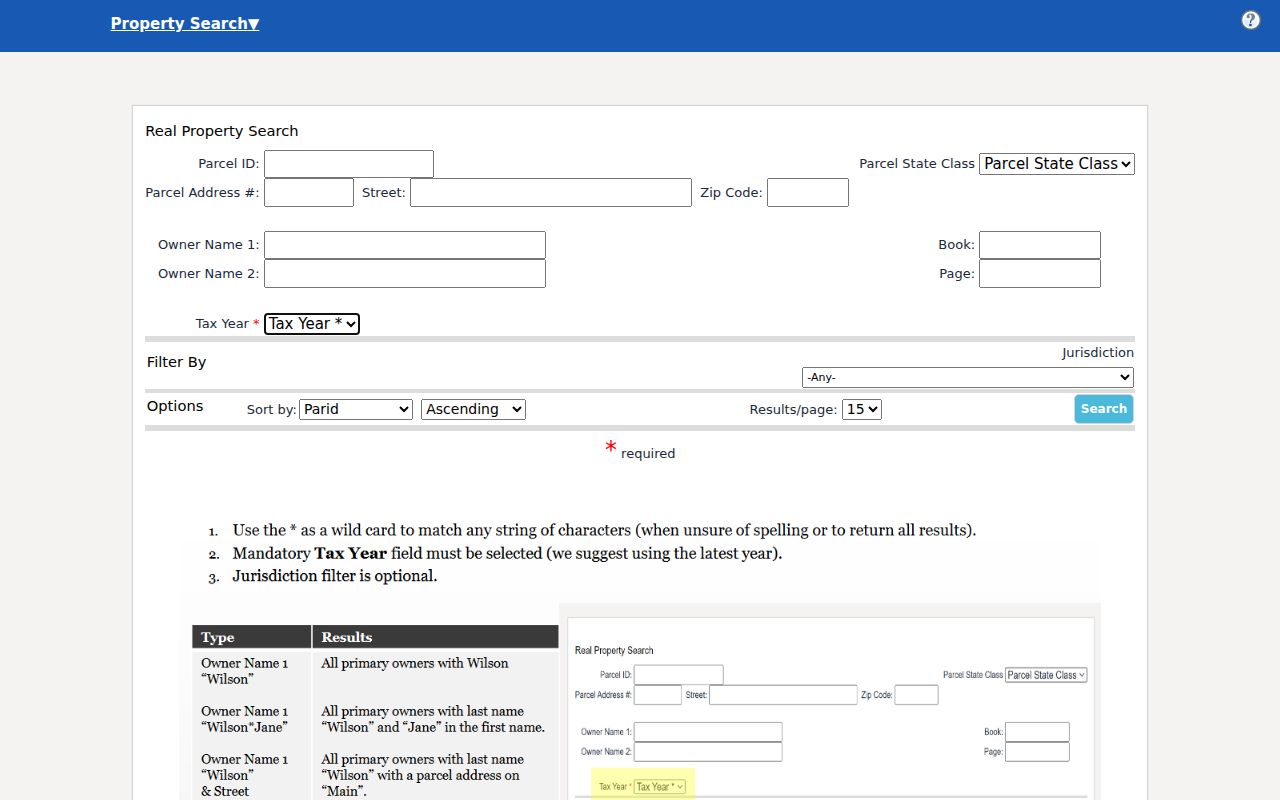
The Assessor's IAS offers several modes. Basic, appraisal, sales, advanced and prior-ownership searches sit among them. Each view returns a different slice of the parcel. Depending on the mode, fields can include map number, property class, tax class, sub-parcel, land use, mailing address, deed book/page, legal description, sale ranges, building year, structures, building area, flood hazard and value ranges.
These fields describe the entry. They do not carry equal legal weight. A building year is a listed trait, not a permit. A sale range is a search field, not the recorded deed. A flood field is a map clue, not a final hazard determination. Weigh values and physical traits against the parcel itself rather than as an identity test.
The West Virginia IAS assessment portal supplies the current owner and parcel fields shown in this view.
Confirm current values and exemptions with the Assessor before relying on a card for any tax or purchase decision.
Kanawha Taxes and Current Owner
The Sheriff Tax Division handles the money side of Kanawha County property records. It shows tax tickets, payments, and delinquencies. A payment receipt proves a bill was settled. It proves nothing about ownership. An owner of record can pay a tax bill on any parcel, and that receipt never changes the deed chain. A delinquent tax entry works the same way. Delinquency is not a completed transfer of title.
When an ownership question surfaces in a sale or tax dispute, pull all three county sources. The Assessor keeps the tax roll and the current card. The County Clerk holds the recorded deed and other instruments. The Sheriff tracks collection activity on each ticket. If a lien sale or redemption happened, check the Auditor and the deeds recorded after it. Only then treat the tax record as a title event.
Each portal holds one distinct fact. Read them that way. Overreading a paid bill or a stale name on a tax ticket leads property search users astray.
Save a Dated Owner Check
Write down what you did and when. Record the search date and the exact name spelling. Include the portal used, the parcel number, the legal description, and the deed reference. A search can return several candidates. If yours did, note why the chosen card matches the known address. If a Kanawha County office confirmed a correction or recent update, keep that date and contact in your own property file.
Dated notes matter because records update on different schedules. Assessment rolls, deeds, and GIS map layers rarely change together. The Assessor publishes no fixed card refresh interval after each transfer. A later property search may show a different owner of record even when the parcel itself never changed. That can happen simply because an earlier entry was corrected or a new deed was processed.
Keep private notes focused on the property question. Use only public data lawfully. Some residents qualify for the Address Confidentiality Program, which provides a substitute address. That protection must be respected.
Limits of a Current Owner Search
Any current owner lookup is only as fresh as the source behind it. The assessment card is not a title opinion. The newest deed may not be the only instrument behind a claim. A map is not a survey. A tax bill is not ownership evidence. A registered agent is not a parcel owner.
For a full title review, consult a title professional and read the underlying public instruments. Use the Kanawha owner lookup method for the broader address-to-deed route. To trace transfers before the present deed, search the County Clerk index and Archives by grantor and grantee.
When the card and newest deed disagree, use the recorded instrument for transfer detail and ask the Assessor when the roll will reflect it.