
How to Find a Kanawha Property Owner
Kanawha ownership research is a short chain. Each office holds one link. The Assessor ties a property to an owner name, mailing address and parcel. The GIS viewer puts that parcel on the map. The County Clerk keeps the recorded deed and other land instruments. Work from location to parcel to name to deed. A shared surname never becomes a false match.
The county Property Inquiry supports searches by address, owner and parcel ID. Search with the most precise clue you have. Copy the parcel ID, legal description and deed book and page for later use. If the address fails, try a street name or a surname. For a recent transfer, confirm with the recorded instrument. The assessor page publishes no guaranteed roll-refresh date.
- Search the address, owner or parcel in Kanawha IAS.
- Compare the physical address, mailing address and legal description.
- Use the WV Property Viewer to confirm the parcel location and E-911 addresses.
- Search the Clerk index for the current grantee and deed reference.
- Review later releases, court orders or estate documents if the record trail calls for them.
A paid tax ticket or permit adds context. Neither document proves who took title. For deeper owner-field detail, the Kanawha current owner record page explains the card and its timing limits.
Where Kanawha Ownership Appears
No single county screen replaces the underlying records. Go to the source that holds the detail. The assessment roll carries the owner name the Assessor currently lists, the deed index holds recorded transfers, and the map viewer handles spatial identification. Timing differs across these offices. Treat the time column as a practical distinction rather than a promise of any fixed update schedule.
| Source | What it gives | How to confirm |
|---|---|---|
| Kanawha IAS assessor card | Owner or Property Owner, mailing and physical address, parcel and deed reference | Compare against the newest recorded deed |
| County Clerk land index | Recorded parties, instrument category and document reference | Read the actual deed and later instruments |
| WV Property Viewer | Map position, GIS ID, legal description and E-911 addresses | Use a deed or plat for title or boundary claims |
| Sheriff tax portal | Tax ticket and payment or delinquency status | Do not treat payment as proof of title |
| Circuit Court docket | Foreclosure, quiet title, partition or probate dispute clues | Ask the filing clerk for the complete case file |
The Assessor Property Inquiry links to IAS, the land books and map cards. Its results are tax-roll entries, not title opinions. The online index's starting year is not stated on the public land-record page, and neither are all of its search controls.
Read the Kanawha Owner Field
IAS shows an Owner or Property Owner field. Read it next to the mailing address, physical or situs address, legal description, parcel number, tax class and deed book and page. The name could belong to an individual, trust, estate, company or another legal entity. A mailing address may be a tax-bill recipient or business office in a different town.
The card matches a parcel to a tax-roll name. It does not reveal every beneficial interest. Nor does it settle whether a transfer has occurred. An LLC entry can be checked in the West Virginia Secretary of State's entity search, which lists organization type, city, status and registered-agent details. A registered agent is a listed contact, not necessarily the owner or the titleholder.
The Assessor also outlines its current owner and parcel service on the official Assessor page. That page is the service's own description.
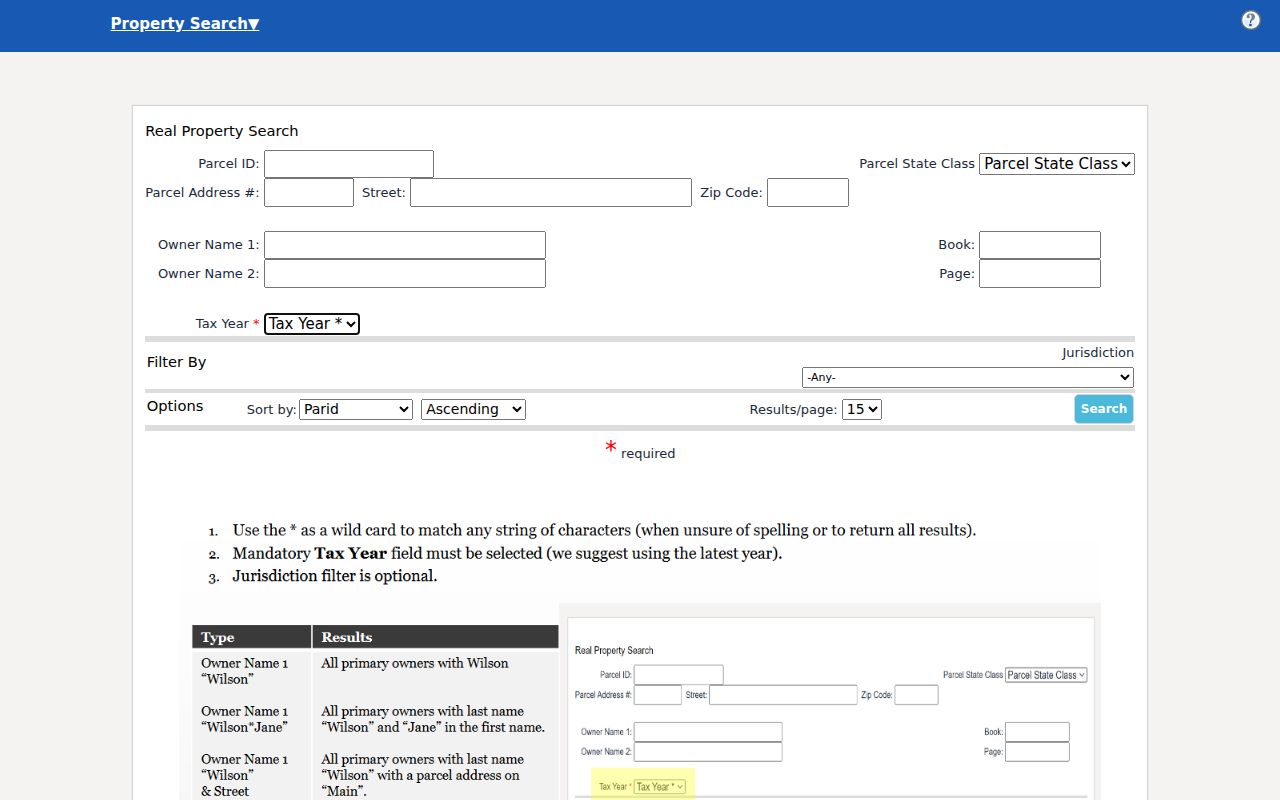
The detailed name search runs through the IAS portal. Its official interface supplies the party and parcel fields for a detailed lookup.
Some West Virginians in the Address Confidentiality Program use a substitute address. Never hunt for a protected location through other records.
Confirm a Kanawha Deed Transfer
A deed is the proof of transfer. Use the deed book and page from the assessor card, or search the County Clerk land index by grantor and grantee. The Clerk's page lists deeds of trust, liens, releases, cemetery deeds, foreclosure trustee reports, plats, assignments, agreements and affidavits. Not every category is an ownership transfer. They explain a parcel's record trail.
The county portal's public page does not display its search fields. Ask the record room how to search the parties and which reference to use for an image or certified copy. Foreclosures, estates and partitions call for the Circuit Clerk too. Compare any court order against the recorded instrument.
A grantor conveys. A grantee receives. When the owner name changed recently, find the grantee in the newest deed and verify the property description against the IAS parcel.
Kanawha Sale and Roll Timing
The Assessor posts no guaranteed turnaround between a deed recording and an updated owner field. West Virginia Code §11-4-8 sets the reporting rhythm instead. The County Clerk keeps the transfer lists moving. It must deliver a certified monthly list of title transfers to the Assessor. The deadline is the tenth day of each month. That deadline governs the paperwork, not the public card. Nothing in the rule says when the card changes once the list arrives. For a recent closing, treat the Clerk's newest deed as the more current transfer document. Revisit the assessment card later if the question concerns the tax roll. Note the recording date, the date searched, and the source. A mismatch between card and deed can mean several things. It may reflect a timing gap or a different parcel. It may also point to a legal name change or an unrecorded issue needing custodian review. Do not read the month-day rule as an online refresh promise. Some matters depend on a recorded transfer. A tax notice is one example. So is an assessment decision. In those cases, ask the Assessor directly whether the transfer has been processed.
Mailing Address Versus Kanawha Situs
The situs address tells you where the land sits. The mailing address tells you where tax mail goes. They differ for ordinary reasons. The owner may live elsewhere. An entity may use a registered office, or a lender or fiduciary receives the mail. Sometimes the tax record is simply stale. A ZIP code or city label also cannot prove a parcel's placement. It does not show that the parcel sits inside an incorporated boundary. Check the physical location through E-911 address search and the parcel detail. IAS street data can be incomplete, so a street-name search sometimes helps. A Charleston address that raises a city permit question belongs with Planning's address map and municipal staff. It does not belong with county ownership records. South Charleston and St. Albans do not present a confirmed city portal, so ask the local custodian there.
- Owner of record
- The name shown in a public assessment or recorded instrument, depending on source.
- Situs address
- The property's physical location.
- Mailing address
- The tax notice destination, which may not be at the property.
- Grantee
- The receiving party named in a deed.
Entities and Estates in the Roll
An owner field may name an LLC, corporation, trust, estate, or fiduciary. Search the exact legal entity in the state Business Entity Search. The free result can show the organization's name, type, city, and status. The detail page adds an address, creation date, and registered agent. Certificates of Existence cost ten dollars, and custom business lists carry separate fees. A decedent still listed on the card calls for probate and land instrument research. Look for an executor or administrator deed, fiduciary deed, heirship affidavit, or court order. Kanawha Circuit Clerk handles wills and probate-related cases. The County Clerk records land instruments. A vital certificate follows its own identity and eligibility rules. It cannot substitute for the deed or probate order. That order explains authority over land. The assessor card can lag a death transfer just as it lags a sale. Match the parcel description and date through the Clerk. Never infer a successor from a family name.
When Kanawha Owner Searches Disagree
Disagreement between owner searches usually has a cause. A transfer may have been recently recorded. A parcel may have been split or combined. An estate may still be in settlement. An entity may have changed its legal name. Do not assume two results describe the same land. Compare the parcel ID, legal description, book/page, and physical address. The Sheriff can confirm a tax ticket or payment, but payment does not prove title. The WV Property Viewer shows a parcel line and address. The county describes the map as assessment data, not a survey. The Assessor card reports the roll. The Clerk's recorded deed identifies the instrument. Take each discrepancy to the office responsible for that field. Keep notes on the date checked, the portal, the exact name, and the result reference. That habit makes a Clerk or Assessor question specific and spares you repeated broad searches.
Limits of a Kanawha Owner Lookup
An owner lookup is a research step, not a guarantee of clear title. A tax-roll name may be stale. A deed can transfer only the interest it describes. A court case may affect the land without any simple sale entry. A licensed title professional can review the chain. A surveyor can settle a disputed line. Use Kanawha ownership records for lawful property research, purchase due diligence, family history, and civic work. Never use an address or owner name to stalk, threaten, or harm a person. The state Address Confidentiality Program gives eligible participants a substitute address. That protection deserves respect. To trace earlier parties, follow the Kanawha County deed index workflow. The deed record, not a name-search result alone, is the source for the transfer instrument.